I was branded "insane" on a hot July afternoon. I was fourteen.
Twenty-five of us were locked outside our classroom. The keys were missing. Time passed. No one moved.
There was a broken windowpane. Twelve inches wide—just enough for a lanky, short kid to squeeze through, reach the latch, and open the window for the others to climb in.
I climbed. Midway through, a teacher walked in.
Later, she asked my mother, "Why would a sane child want to do that?"
I didn't internalize the label because the logic didn't add up. There was a problem. Twenty-four people waited. One person solved it. The flaw wasn't in the climbing—it was in how we're taught to value compliance over solutions.
At school, I was never good at studies. Hell, I cheated on my math board exam to scrape forty marks. I ended up in hotel management, a diploma, not a degree.
No marks and no degree meant I started my career as a telecaller.
Thirteen years later, I'd gone from that entry-level role to leading national teams across Citibank, TCS, and Serco, with stints in Canada and the Philippines.
We've been led to believe that education builds capability. Capability is built from belief. Belief leads to action.
I wasn't an engineer when I took on a construction business with labor costs killing margins. I built the solution anyway—at a fraction of the cost.
I hadn't done a creative writing course. I wrote anyway. Published author.
I'm not a software engineer. I built One Size Fits None anyway—a web application that personalizes education, because education, by design, is standardized and rarely serves the user.
I learned early that neither fear of failure nor greed for outcomes should decide action.

Problem-solving comes naturally to me. I see proverbial windows when doors are found locked.
It makes me unconventional, sometimes raw, and usually uncomfortable for people watching. Not because I enjoy disruption, but because I don't see stasis as safety.
Solving problems exposes what isn't working. That creates friction—especially with people higher up the hierarchy.
Once, an incompetent boss demanded feedback. Two options: lie to appease him, or refuse. I refused. He insisted.
When I told him the truth, he shouted. I didn't.
That evening, I spent an hour asking myself why I hadn't shouted back. The answer wasn't maturity. It was fear. The mortgage.
And the moment I saw that clearly, the decision was simple. If a mortgage was going to decide how honest I could be, it had to go.
That's when I understood masks. They buy comfort at the cost of integrity. I choose not to wear one.
I left my corporate career and stepped into uncertainty. From the chaos of Gurgaon to the quiet of Ranikhet. The venture failed. The book got written.
The safety net people wait for doesn't appear before the jump. Fear keeps people waiting.
Too many capable people rot quietly, mistaking patience for wisdom.
Over time, I noticed the same gap everywhere: between who people are and who they could have been.
It consistently collapsed into four variables: Context, Courage, Capability, and Consistency. Understanding where you are. Finding the nerve to move. Building what you need. Showing up until it sticks.
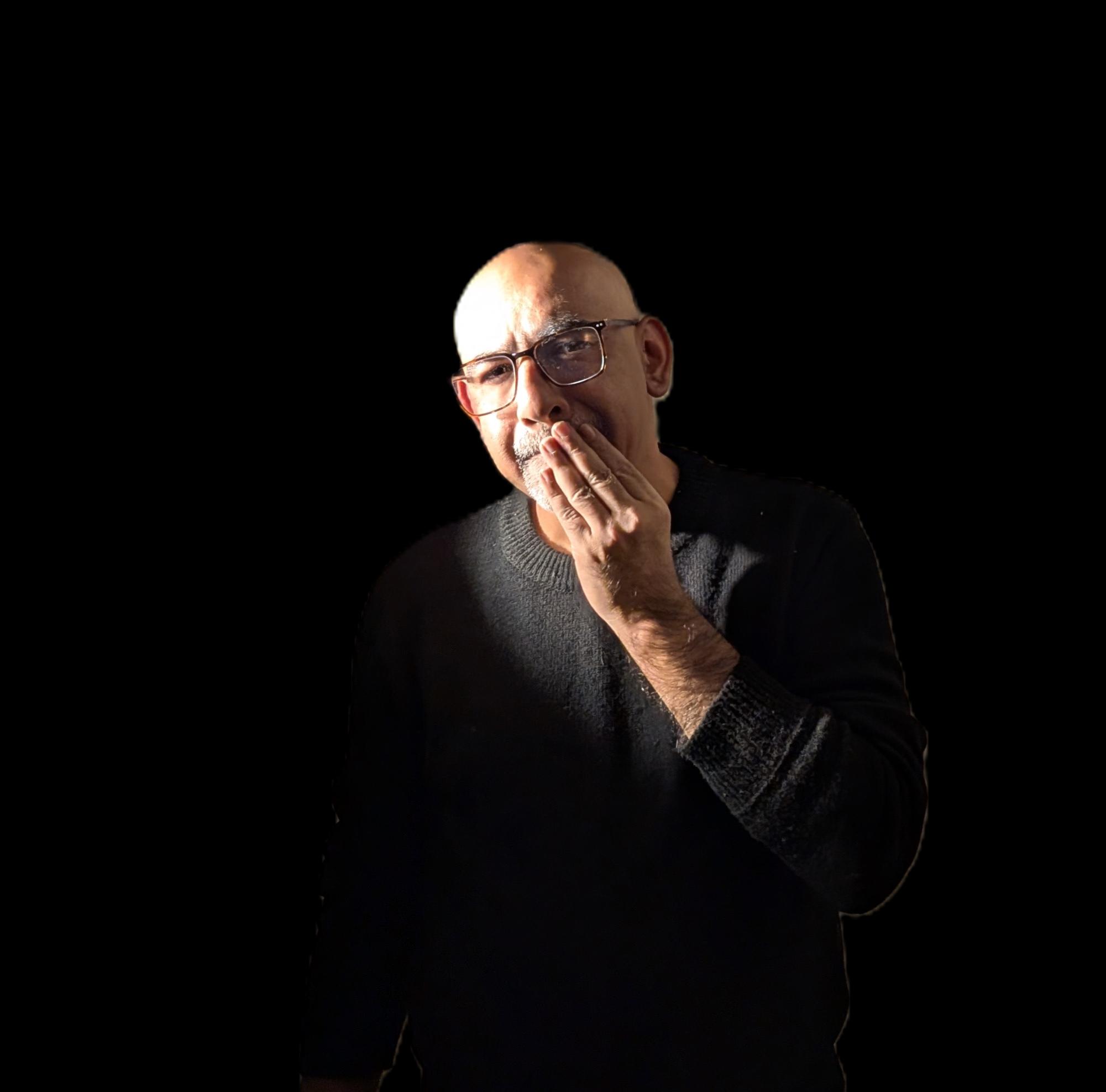
I don't fit clean identities. Sometimes I build frameworks. Sometimes systems. Sometimes words. Sometimes I speak in rooms where uncomfortable clarity is unavoidable.
So, if you ask me what I do—I build.
Years after leaving a company, I learned in a job interview that an automation I'd built was still running—nine years later, still saving hundreds of hours. That's credibility: building something so right it doesn't need you around to prove it.
In a world obsessed with templates, identity is reduced to titles, possessions, and labels. To me, those are wrappers. Structures that slow you down.
Structures promise safety. But not freedom.
A safe life isn't always a full life. The first purpose of living is freedom. To be authentic. To chase what calls you. To fail or succeed—but always, always on your own terms.